Red Flags to Prevent When Selecting an Assisted Living or Elderly Care Facility
Business Name: BeeHive Homes of Farmington
Address: 400 N Locke Ave, Farmington, NM 87401
Phone: (505) 591-7900
BeeHive Homes of Farmington
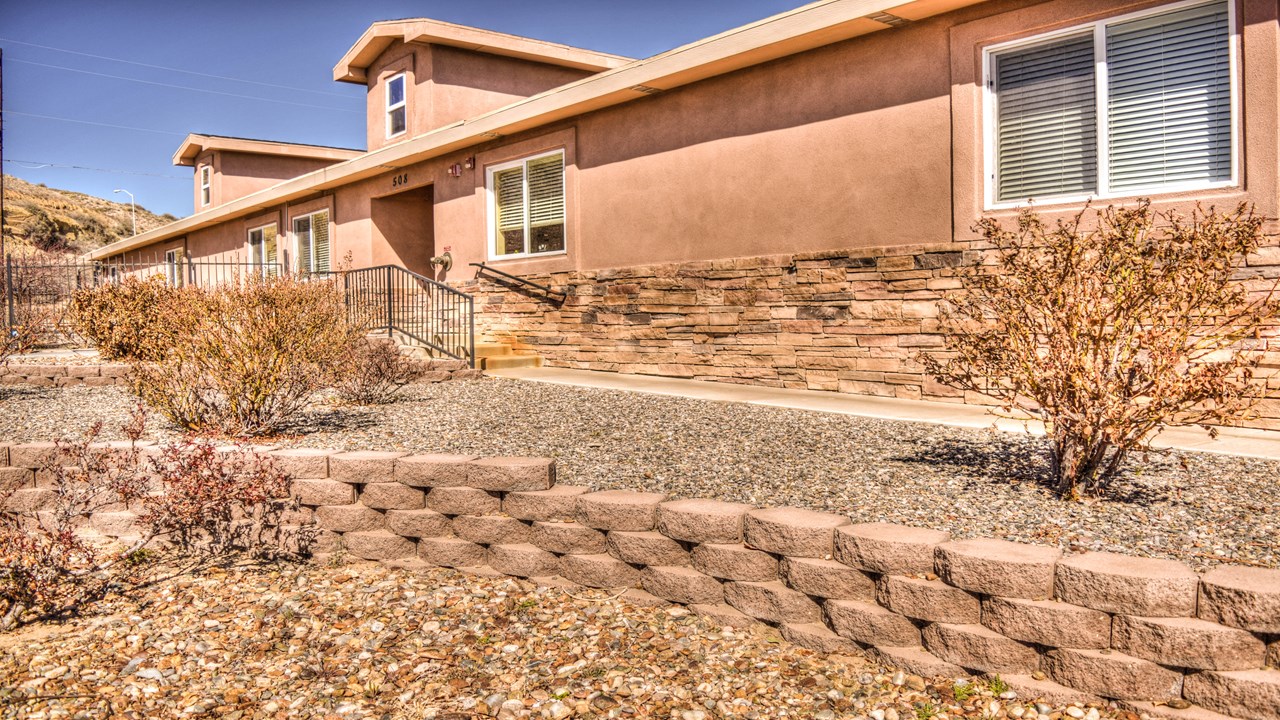
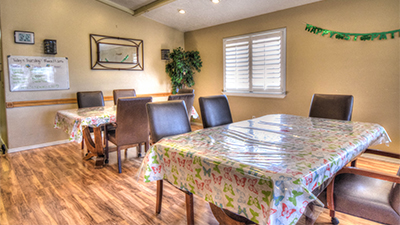
Beehive Homes of Farmington assisted living care is ideal for those who value their independence but require help with some of the activities of daily living. Residents enjoy 24-hour support, private bedrooms with baths, medication monitoring, home-cooked meals, housekeeping and laundry services, social activities and outings, and daily physical and mental exercise opportunities. Beehive Homes memory care services accommodates the growing number of seniors affected by memory loss and dementia. Beehive Homes offers respite (short-term) care for your loved one should the need arise. Whether help is needed after a surgery or illness, for vacation coverage, or just a break from the routine, respite care provides you peace of mind for any length of stay.
400 N Locke Ave, Farmington, NM 87401
Business Hours
Choosing an assisted living or elderly care center is one of those choices you feel in your stomach. It is part medical decision, part monetary commitment, and deeply emotional. Families typically arrive at a neighborhood tour tired from caregiving, guilty about "putting mom someplace," and under time pressure due to the fact that something has currently gone wrong at home.
That combination is exactly what can cause individuals to miss major warning signs.
I have strolled families through this procedure for years, in senior care settings that varied from outstanding to honestly inappropriate. The places that look polished in a brochure can feel extremely various on a Tuesday afternoon when staffing is brief and a resident needs help to the bathroom. The obstacle is finding out to see previous marketing and into the everyday reality.
This guide concentrates on genuine red flags I have watched households overlook, and how to recognize them before you sign anything.
Why impressions are just the starting point
Most individuals judge assisted living communities by the lobby and the tour guide. Marble floors and fresh flowers can signify pride in the building, however they tell you very little about the quality of elderly care.
A better indicator of how senior care is actually delivered is what you notice within 10 minutes of remaining in resident areas, away from the sales workplace. When you stroll down the corridor towards resident spaces, pause and use your senses.
Ask yourself:
- What do I hear? Call bells sounding continually, people shouting for assistance, staff speaking harshly, or a calm background sound level with common conversation and activity.
- What do I see? Citizens engaged in something, or individuals slumped in wheelchairs along the walls, gazing at the floor.
- What do I smell? Occasional smells are regular in any care setting. Persistent urine or feces smell in numerous corridors is not.
That first sensory "scan" often tells you more than a brochure filled with amenities.
Quick snapshot of major red flags
If you want a quick mental checklist, enjoy closely for these patterns throughout your visit.
- Staff avoid eye contact, appear hurried, or appear inflamed when locals request help.
- Residents look neglected: filthy nails, the same clothing, visible stubble, matted hair.
- Strong, constant smells of urine or feces in numerous locations, or heavy air freshener masking something.
- Vague or protective answers when you inquire about staffing levels, falls, or complaints.
- High-pressure tactics to sign an agreement or pay a deposit before you have time to examine details.
Any single concern might have a benign description. When you start seeing two or three of these in the exact same center, pay attention.
Staffing: the backbone of quality care
Buildings do not offer care, people do. If you keep in mind something from this article, let it be this: the quality of assisted living and respite care depends greatly on who shows up for work and how many of them there are.
Red flag: chronically thin staffing
Facilities will frequently say, "We staff to resident requirements." That statement by itself does not inform you much. What you are looking for is a pattern of:
- Call lights ringing for 10 minutes or longer without response.
- Only one caregiver covering a big corridor of citizens who require aid with mobility.
- Staff informing you quietly, "We are always brief" or "We are working a double again."
There is no magic staffing ratio that fits every structure, however if staff look fatigued and you repeatedly see a single person trying to transfer or toilet a large number of residents, care will be delayed, and safety dangers rise.
A simple test: ask a nurse or caretaker, "If my mom rings for assistance to the bathroom, what is your goal for response time?" Then, "On a tough day, what occurs?" Incredibly elusive or joking responses like "When we arrive" are not a great sign.
Red flag: continuous churn of caregivers and leadership
All senior care settings have turnover. The work is physically and emotionally requiring. What issues me is a pattern where:
- The executive director changes every couple of months.
- The nurse in charge of resident care is new and not familiar with existing residents.
- Front-line caretakers say, "I simply started" and can not yet describe locals' routines.
When leadership is unstable, care procedures are often improperly executed. Households might have a hard time to get constant answers about medication, care strategies, or modifications in condition. Facilities that purchase training and treat staff with regard tend to keep people longer, which develops much better continuity for residents.
Red flag: lack of training around dementia
Many locals in assisted living have some degree of dementia, even if the community is not formally identified as memory care. Watch thoroughly how staff connect with confused citizens throughout your visit.
If you see somebody with clear memory concerns being scolded for repeating questions, or told "We currently informed you that" in a sharp tone, that tells you the center has actually not invested enough in dementia-specific training. Good dementia care needs perseverance, redirection, and a calm approach. Poor training in this area can rapidly spill into agitation, wandering, and unneeded medication use.
Care practices you can see with your own eyes
Families often ask whether a center is "excellent." A much better question is, "What does a normal day look like for a resident who requires the very same level of aid that my relative requires?" The responses often expose subtle but critical red flags.
Residents' look and grooming
You do not need a nursing degree to identify disregarded care. Look at numerous locals, not just the ones in the lobby.
If you frequently see food spots from previous meals, unbrushed hair, facial hair on individuals who generally shave, filthy or thick nails, or ill-fitting shoes or slippers that look hazardous, it suggests rushed or irregular morning and evening care.
Keep in mind, some locals decline assistance or have strong preferences about clothing. One or two people who look disheveled does not always show a problem. A pattern across numerous homeowners does.
How mobility and toileting are handled
Watch transfers, even from a distance. Are caretakers utilizing gait belts when appropriate, or are they getting people by the arms? Does anybody try to hurry an individual who is clearly unsteady?
Toileting is harder to observe straight, but you can infer a lot. Homeowners with soaked pants or urine smell around their clothes or wheelchair, frequent "accidents" reported by staff as if they are the resident's fault, or people noticeably distressed and holding themselves while awaiting aid, all hint at missed toileting schedules or sluggish responses.
If your loved one is vulnerable to falls or needs assistance to the restroom at night, inadequate assistance here is not a small problem. It is among the greatest motorists of avoidable hospitalizations from assisted living and elderly care communities.
Medical care, security, and what takes place during emergencies
Assisted living is not a health center, however it must still have clear systems for medical support, especially for medication management and immediate events.
Red flag: chaotic medication management
Medication errors are sadly typical in senior care. What you wish to comprehend is how the center restricts those errors. Ask where medications are saved, how they are documented, and who actually hands them to residents.
If actions sound improvised, such as "We just keep them in the room" for people who plainly can not self-manage, or you see medication carts left unlocked and ignored, that is a problem.
Listen for comments such as "We will just squash her meds and put them in food" used casually, without explanation. Medication modifications like that need doctor orders and mindful documentation.
Red flag: unclear reaction to falls or abrupt illness
Ask specific, scenario-based concerns: "If my dad falls in his room at 10 p.m., exactly what occurs?" The center needs to be able to walk you through:
- Who responds first, and how quickly.
- Who examines for injury.
- When they call 911 and when they call the on-call nurse or physician.
- How and when they alert family.
- How they document and examine the event to decrease future risk.
If the response is basically "We simply call 911," without evidence of any internal assessment or follow-up procedure, that suggests a reactive rather than proactive security culture.
Red flag: lack of clear medical oversight
Ask who the medical director is, whether there are checking out doctors or nurse professionals, and how typically they are on site. In some assisted living buildings, outside companies visit weekly or biweekly. In others, families should coordinate all physician care themselves.
Neither model is inherently incorrect, however the center must be transparent. If personnel seem unsure about which physicians see their locals, or can not inform you how a new health issue would be interacted to the medical care service provider, coordination may be weak.
Culture, regard, and everyday life
Beyond safety and healthcare, pay very close attention to how people deal with one another. Culture is harder to quantify but much easier to feel when you spend time in the building.
How personnel speak to residents
This is one of the clearest signs of a facility's values. Listen for:
- Staff using citizens' preferred names and talking to them at eye level, not overlooking them.
- Explanations before touching someone, such as "Mrs. Johnson, I am going to assist you stand now."
- Inclusion of locals in discussions about their care.
Red flags consist of baby talk ("We are going potty now"), sarcasm, personnel discussing homeowners as if they are not present, or freely grumbling about homeowners where others can hear.
How conflicts and complaints are handled
Every senior care community will have misconceptions, lost laundry, missed out on showers, or unpleasant interactions eventually. The genuine concern is how the facility reacts when families or citizens speak up.
If you hear locals say, "It does no good to complain," or personnel roll their eyes when you ask what happens with complaints, believe thoroughly. Ask to see the written grievance policy. In a well-run facility, management welcomes feedback, documents it, and describes what they will do to address patterns.
Engagement and activities that feel genuine, not staged
Many trips highlight the activity calendar on the wall. A long list of occasions looks remarkable, however it only matters if citizens really take part and take pleasure in them.
Look into activity rooms silently if you can. Exist actually people there, or is the room empty while the calendar claims a program is occurring? Do citizens with mobility or cognitive issues get assist to participate in, or are just the most independent people present?
A serious red flag is a center where days appear to pass with citizens asleep in front of a tv for hours. Occasional rest is normal. A culture of consistent lack of exercise results in faster decline, depression, and loss of functional ability.
Respite care: the exact same standards, even if the stay is short
Families sometimes let their guard down when choosing respite care because the stay is short. The reasoning goes, "It is only for a week while I recover from surgical treatment" or "We simply require protection during our trip." I have actually seen people accept lower standards for respite that they would never ever endure for full-time senior care.
The reality is, many risks do not care whether the stay is seven days or 7 months. Falls, medication mistakes, unmanaged pain, or bad infection control can all occur throughout brief stays.
Respite visitors are specifically vulnerable due to the fact that personnel are still learning more about them. That makes thorough assessment and communication even more important, not less. A center that treats respite as an inconvenience tends to cut corners:
- Incomplete admission assessments.
- Poor handoff between day and night shift about specific needs.
- Little effort to integrate the person into activities or the dining room.
Ask clearly, "How do you deal with respite residents differently from irreversible homeowners?" If the response focuses only on documents and payment differences, without explaining how they get oriented and supported, think about that a caution sign.
The monetary and contractual traps to view for
Families are frequently so concentrated on care quality that they skim over the contract. That is precisely where a few of the most severe warnings hide.
Vague care "levels" and amaze cost escalation
Most assisted living and elderly care communities divide services into care levels or point systems. The base rate may look sensible, however nearly every meaningful type of help, from medication pointers to escorts to meals, may add regular monthly charges.
Red flags consist of:
- Vague language like "Care requires subject to alter at management discretion" without clear criteria.
- Short evaluation cycles, such as month-to-month reassessments, that may result in regular increases.
- Charges for typical, predictable requirements that were not mentioned on the tour, such as incontinence materials handling.
Ask for composed descriptions of what each care level consists of, and examine them line by line with your family member's real requirements in mind. If sales personnel lessen the probability of going up levels even when you describe considerable care requirements, be skeptical.

Punitive move-out or deposit policies
Read thoroughly for:
- Long notification periods needed before move-out.
- Non-refundable neighborhood charges that are very high relative to market norms in your area.
- Automatic arbitration provisions that limit your right to pursue legal action in case of severe neglect.
A facility that is confident in its quality of senior care typically does not require to lock households in with aggressively limiting terms. You need to not feel trapped economically if the placement turns out to be a poor fit.
Questions and files that expose concealed problems
You do not need to question staff, however a few targeted concerns and files can reveal an unexpected amount about a center's track record.
Consider asking:
- "Can you share your latest state assessment report, and what you did to address any deficiencies?"
- "Have you had any substantiated complaints in the last two years? What were they about, and what altered after that?"
- "What is your present personnel turnover rate for caretakers and nurses?"
- "The number of residents have you sent out to the healthcare facility in the last month, and what were the most typical reasons?"
For documents, demand or review:
- The full resident contract or contract.
- The newest study or evaluation report from the state or licensing body.
- The grievance policy.
- Sample care strategy, with identifying information removed.
- The activity calendar for the last 2 months, not simply the present one.
If personnel think twice, stall, or provide heavily edited information, that defensiveness itself is significant.
When a red flag might not be a deal-breaker
Real facilities are messy. Even very good neighborhoods have days when things are off. I have seen families leave strong senior care choices due to the fact that of one poor interaction throughout a visit, and I have seen others ignore glaring patterns because the location was convenient.
Context matters.
A periodic urine odor near a resident's room right after a toileting mishap, rapidly resolved, is normal. A center with warm, steady personnel and strong interaction might be a better option even if the building is older or less glamorous. A brand-new building and construction with luxury surfaces and low tenancy can feel peaceful and well run at initially, yet battle later on with staffing once more citizens move in.
Ask yourself:
- Is this concern separated to one employee or location, or do I see it duplicated in various parts of the building?
- Does management acknowledge problems freely and explain their strategy to improve, or do they decrease whatever I raise?
- If my loved one decreased in function or cognition, would this facility still be safe and respectful for them?
Sometimes, the ideal choice is not the "ideal" facility, however the one where the strengths align best with your family member's specific top priorities, and the threats are transparent and manageable.
Giving yourself consent to stroll away
Many families feel guilty about turning down a center, specifically if staff have gotten along or they have already invested time in the process. Keep in mind, this is an organization plan, not a favor. You are purchasing an important service with your cash, your trust, and your loved one's BeeHive Homes of Farmington respite care wellbeing.
If your instincts inform you that something is incorrect, you are allowed to pause. You are enabled to ask for a second visit at a different time of day, ask to talk to the nurse rather than the sales director, or bring another relative or relied on expert to see what you might have missed.
And if the red flags stack up, you are enabled to say, "Thank you for your time, but this is not the best fit for us," and keep looking. The short-term discomfort of beginning over is far less uncomfortable than attempting to untangle a crisis after a bad placement.
Selecting an assisted living or elderly care facility is never easy, however cautious attention to these warning signs can help you avoid the most major mistakes. Prioritize what really matters: safe, respectful, consistent care, supplied by people who know and value your family member as an individual, not a room number. The glossy facilities are optional. Self-respect and security are not.
BeeHive Homes of Farmington provides assisted living care
BeeHive Homes of Farmington provides memory care services
BeeHive Homes of Farmington provides respite care services
BeeHive Homes of Farmington supports assistance with bathing and grooming
BeeHive Homes of Farmington offers private bedrooms with private bathrooms
BeeHive Homes of Farmington provides medication monitoring and documentation
BeeHive Homes of Farmington serves dietitian-approved meals
BeeHive Homes of Farmington provides housekeeping services
BeeHive Homes of Farmington provides laundry services
BeeHive Homes of Farmington offers community dining and social engagement activities
BeeHive Homes of Farmington features life enrichment activities
BeeHive Homes of Farmington supports personal care assistance during meals and daily routines
BeeHive Homes of Farmington promotes frequent physical and mental exercise opportunities
BeeHive Homes of Farmington provides a home-like residential environment
BeeHive Homes of Farmington creates customized care plans as residents’ needs change
BeeHive Homes of Farmington assesses individual resident care needs
BeeHive Homes of Farmington accepts private pay and long-term care insurance
BeeHive Homes of Farmington assists qualified veterans with Aid and Attendance benefits
BeeHive Homes of Farmington encourages meaningful resident-to-staff relationships
BeeHive Homes of Farmington delivers compassionate, attentive senior care focused on dignity and comfort
BeeHive Homes of Farmington has a phone number of (505) 591-7900
BeeHive Homes of Farmington has an address of 400 N Locke Ave, Farmington, NM 87401
BeeHive Homes of Farmington has a website https://beehivehomes.com/locations/farmington/
BeeHive Homes of Farmington has Google Maps listing https://maps.app.goo.gl/pYJKDtNznRqDSEHc7
BeeHive Homes of Farmington has Facebook page https://www.facebook.com/BeeHiveHomesFarmington
BeeHive Homes of Farmington has an YouTube page https://www.youtube.com/@WelcomeHomeBeeHiveHomes
BeeHive Homes of Farmington won Top Assisted Living Home 2025
BeeHive Homes of Farmington earned Best Customer Service Award 2024
BeeHive Homes of Farmington placed 1st for Senior Living Communities 2025
People Also Ask about BeeHive Homes of Farmington
What is BeeHive Homes of Farmington Living monthly room rate?
The rate depends on the level of care that is needed (see Pricing Guide above). We do a pre-admission evaluation for each resident to determine the level of care needed. The monthly rate is based on this evaluation. There are no hidden costs or fees
Can residents stay in BeeHive Homes until the end of their life?
Usually yes. There are exceptions, such as when there are safety issues with the resident, or they need 24 hour skilled nursing services
Do we have a nurse on staff?
Yes. Our administrator at the Farmington BeeHive is a registered nurse and on-premise 40 hours/week. In addition, we have an on-call nurse for any after-hours needs
What are BeeHive Homes’ visiting hours?
Visiting hours are adjusted to accommodate the families and the resident’s needs… just not too early or too late
Do we have couple’s rooms available?
Yes, each home has rooms designed to accommodate couples. Please ask about the availability of these rooms
Where is BeeHive Homes of Farmington located?
BeeHive Homes of Farmington is conveniently located at 400 N Locke Ave, Farmington, NM 87401. You can easily find directions on Google Maps or call at (505) 591-7900 Monday through Sunday 9:00am to 5:00pm
How can I contact BeeHive Homes of Farmington?
You can contact BeeHive Homes of Farmington by phone at: (505) 591-7900, visit their website at https://beehivehomes.com/locations/farmington/,or connect on social media via Facebook or YouTube
You might take a short drive to the Farmington Museum. The Farmington Museum offers local history and cultural exhibits that create an engaging yet comfortable outing for assisted living, memory care, senior care, elderly care, and respite care residents.